Fresh Air, Healthy Life: The Importance of Ventilation Systems
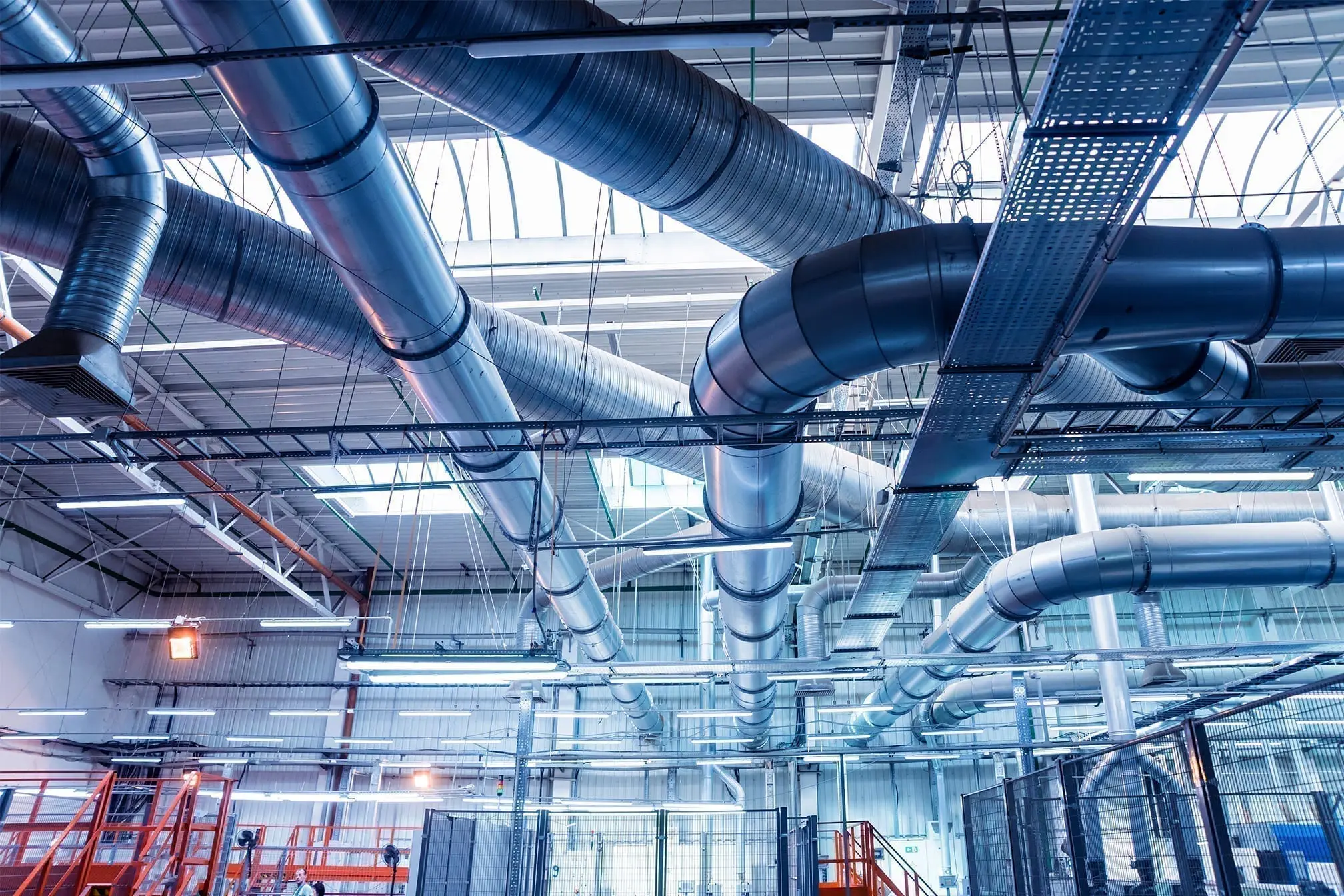
We spend a large part of our daily life indoors. That’s why indoor air quality directly impacts our health. Breathing clean air is essential for a better quality of life and overall health. Ventilation systems are one of the key tools for maintaining and improving indoor air quality. In this article, we’ll explore why ventilation systems are so important and how they work.
Indoor Air Quality:
The quality of air in indoor spaces greatly affects human health. Polluted air can cause respiratory illnesses, allergies, and other health problems.
The Role of Ventilation Systems:
Ventilation systems clean the polluted air inside buildings and provide fresh air. These systems can include heat exchangers that save energy when fresh air is introduced.
Dust and Particle Removal:
Ventilation systems clean indoor spaces from dust, pollen, and other particles, which helps reduce allergens and irritation in the respiratory system.
Humidity Balance:
Proper ventilation helps control the humidity level in a room. Excess moisture or dryness can negatively affect health.
Carbon Dioxide Control:
People exhale carbon dioxide when breathing. A good ventilation system controls the carbon dioxide level in the room, ensuring a healthier environment.
Ventilation systems play an important role in maintaining and improving indoor air quality. Breathing clean air is an essential step toward improving our health and overall quality of life. Therefore, having an efficient ventilation system in our homes, workplaces, and other indoor environments is crucial. Remember to give proper attention to these systems for the sake of your health and comfort.